

In modern soft furnishings and furniture design, sofa Fabric not only defines the visual style and tactile experience of a sofa, but also directly affects its durability and everyday comfort. The mainstream chenille fabric, velvet fabric , linen blend fabric, corduroy fabric, technology fabric and other fabrics on the market have their own characteristics in texture and performance. As a professional enterprise focussing on the research and development and supply of high-quality sofa fabrics, we have been engaged in the field of sand release for many years. We have always adhered to the selection of high-quality raw materials, optimised fabric weaving technology, and guaranteed the core performance of the fabric such as wear resistance, anti-fading, anti-pilling and high breathability from the source. Correct care not only extends the service life of the sofa, but also helps the fabric retain its color, loft, and premium texture over time.
I. Daily dust removal: prevent internal fibre wear
Fine dust particles will seep into the interior of the fabric fibre; with the accumulation of time, these dust will produce friction, thus accelerating the ageing process of the material. It is recommended to use a vacuum cleaner with a soft brush suction head every week to clean the surface, gaps and cushion edges of the sofa. For velvet fabrics (such as velvet) and chenille fabrics, special attention should be paid to the frequency of dust removal to prevent the fabric from becoming dull or losing its lustre.
II. Avoid direct sunlight: delay fading and fibre ageing
Long-term exposure to the sun will lead to brittle fibres and colour fading - this effect is especially noticeable on dark velvet and linen blend fabrics. It is recommended to use light gauze curtains or curtains to cover, and optimise the placement of the sofa indoors to minimise the damage caused by ultraviolet rays from the source.
III. The principle of stain treatment: rapid adsorption and gentle pressing
If you accidentally spill liquids such as coffee, tea or drinks, please immediately use a dry cloth or paper towel to press and adsorb to remove moisture. Then, gently press the stain with a slightly moist towel to clean it; do not wipe it back and forth vigourously, otherwise it may cause the stain to spread and even cause fibre balling.
IV. Regularly flip the cushion: spread the force and prevent collapse
Long-term and local force will cause uneven wear and balling of the fabric, and even cause internal structural collapse. It is recommended to change the position of the cushion and backrest regularly to ensure that the weight is evenly distributed on the surface of the fabric, so as to slow down its ageing process.
V. Different fabrics, different care methods (key points)
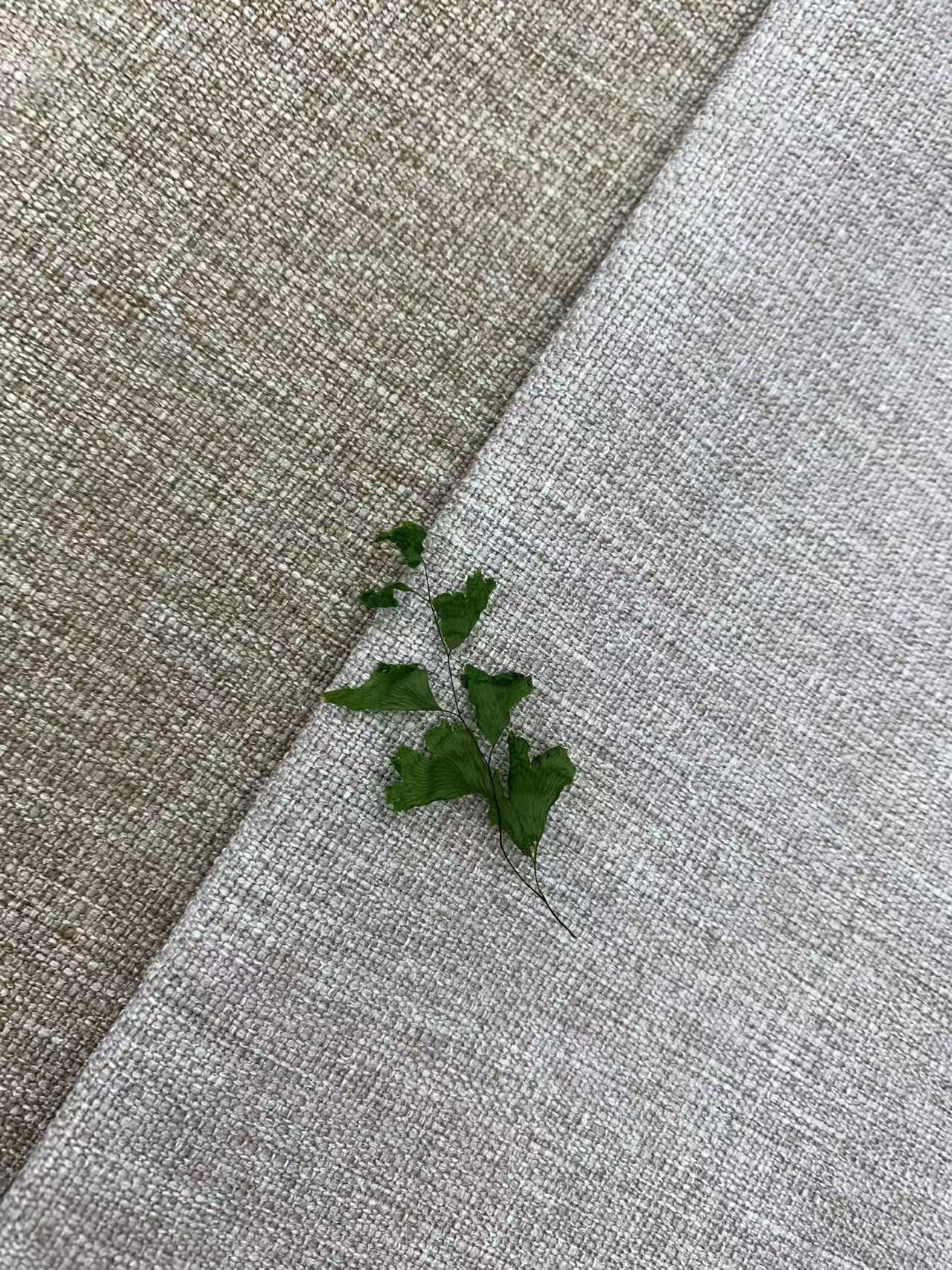
Linen blended fabric
Linen blend fabric is durable and breathable, but it is also prone to wrinkles and balling. During daily cleaning, you should avoid using hard brushes to avoid causing the fabric surface to become furry or bally. If there are folds, you can use a low-temperature steam iron to flatten it; when ironing, please keep a distance of about 10 cm between the iron and the fabric to prevent high temperature from damaging the fibre structure.
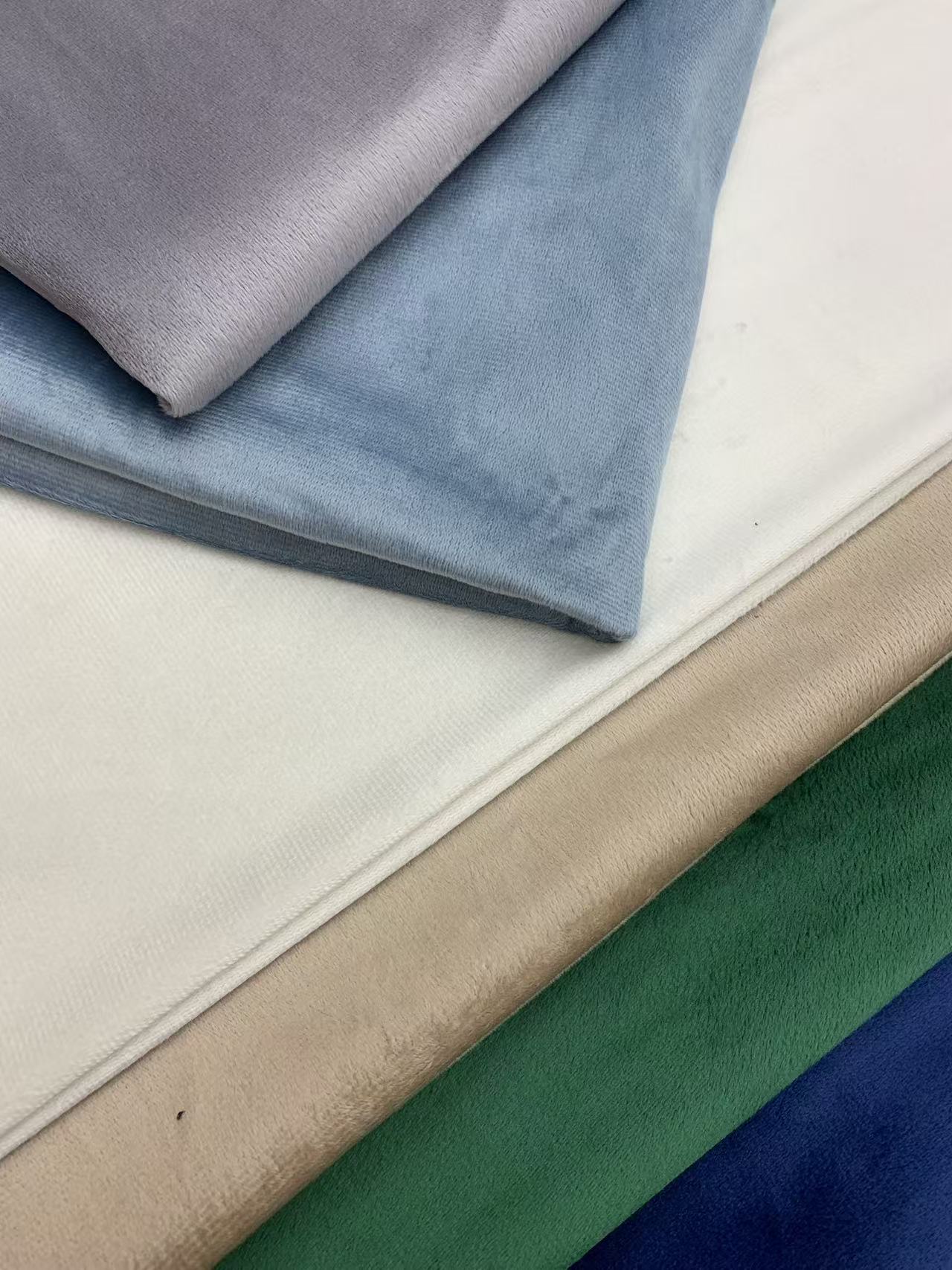
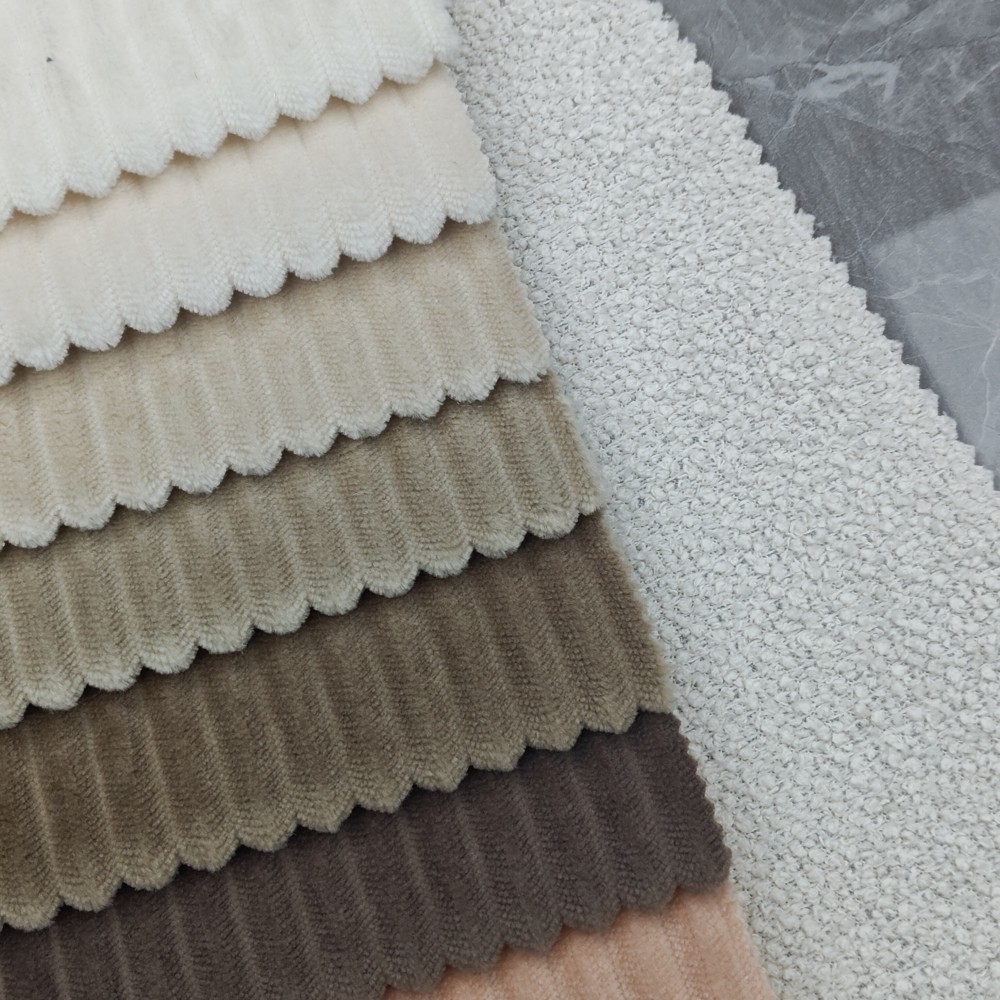
Velvet fabric / corduroy fabric
This kind of suede fabric is prone to hooking and tangling. When cleaning, use a soft brush to comb the fibres in the direction of the growth of the fluff to prevent the fluff from clumping; at the same time, use the sticky hair roller to remove dust and fine debris. Do not use a powerful vacuum cleaner to vacuum, because excessive suction may pull the fibres, causing suede deformation or collapse.
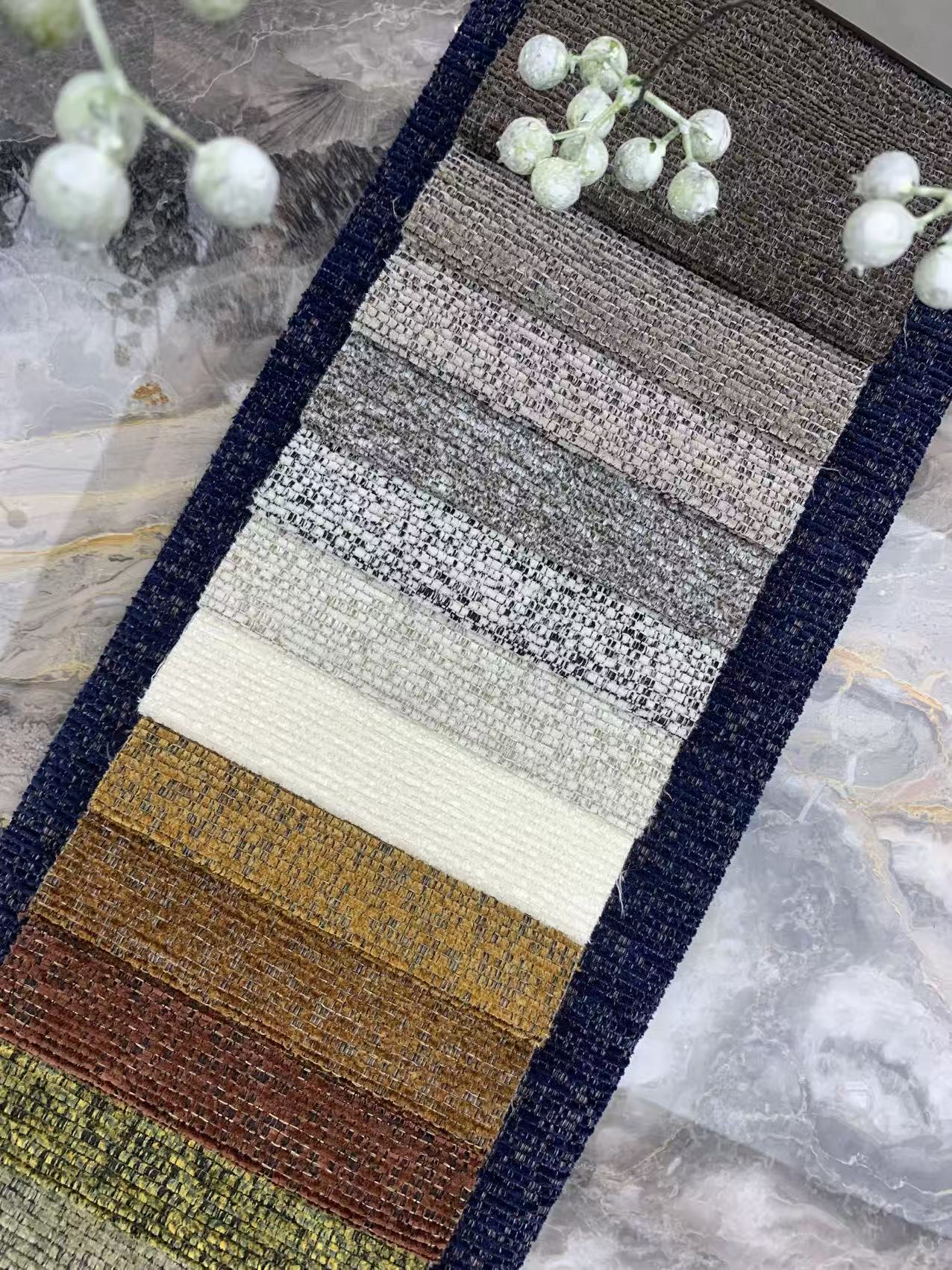
Chenille fabric
This fabric is characterised by its fluffy and plump texture, but it is also easy to accumulate dust. It is recommended to vacuum and clean regularly. Do not machine wash; you should give priority to dry cleaning or professional cleaning services to avoid damaging the unique fleece structure of the fabric.
Technology fabric
The surface of this kind of fabric is covered with waterproof and anti-fouling coating, which is the most convenient for daily maintenance. Just wipe it directly with a wet cloth to complete the cleaning. However, be sure to avoid using alcohol or strong solvents to avoid damaging the protective coating on the surface. If you encounter stubborn stains, you can apply a small amount of toothpaste to the dirty place and rub it gently, and then rinse it with water to restore the original clean state.

VI. Use fabric protective agent: build a protective barrier
It is recommended to regularly use professional soft fabric anti-fouling spray to form an invisible protective film on the surface of the fabric. This can effectively block liquid penetration and prevent stains from attaching. It is an ideal protection solution for home environments or commercial places with large flow of people.
VII. Regular deep cleaning: keep the fabric like a new texture
It is recommended to arrange a professional in-depth cleaning service every 6 to 12 months. By using special equipment, it can not only completely remove the deep dirt of the fabric, but also restore the original fluffiness and comfortable touch of the fabric.
Conclusion
The excellent quality of sofa fabric not only comes from its exquisite design and craftsmanship, but also comes from the meticulous maintenance of daily life. Whether it is the natural texture of cotton and linen fabric, the three-dimensional feel of velvet and corduroy, the fluffiness and softness of chenille, or the practicality and convenience of technological fabric - as long as you master the exclusive care method for various materials, your sofa can maintain a new appearance and comfort for a long time. Scientific and reasonable maintenance is the key to prolonging the service life of furniture.