I. The Era of Visual-First: Texture Becomes the Core of Communication.
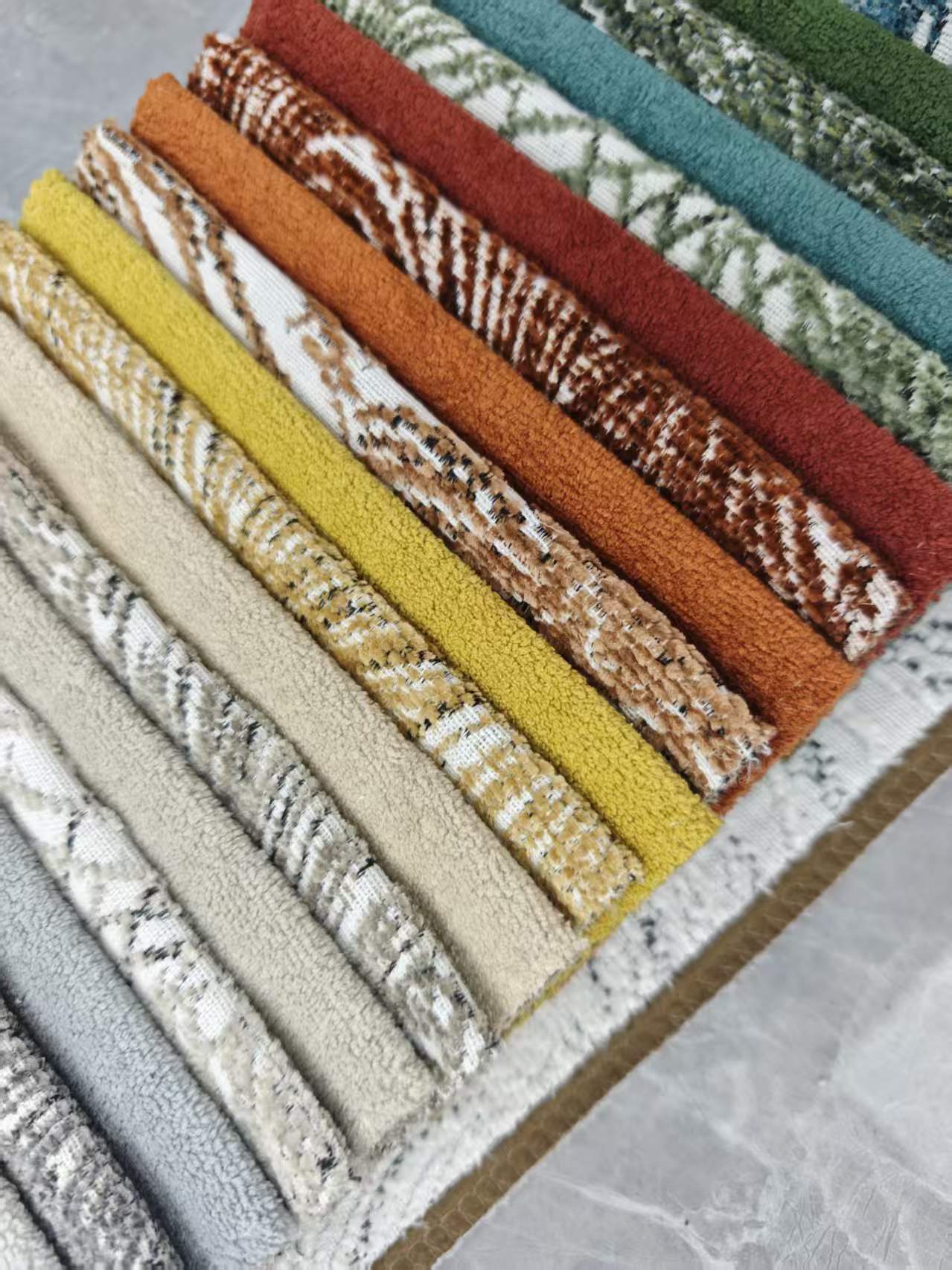
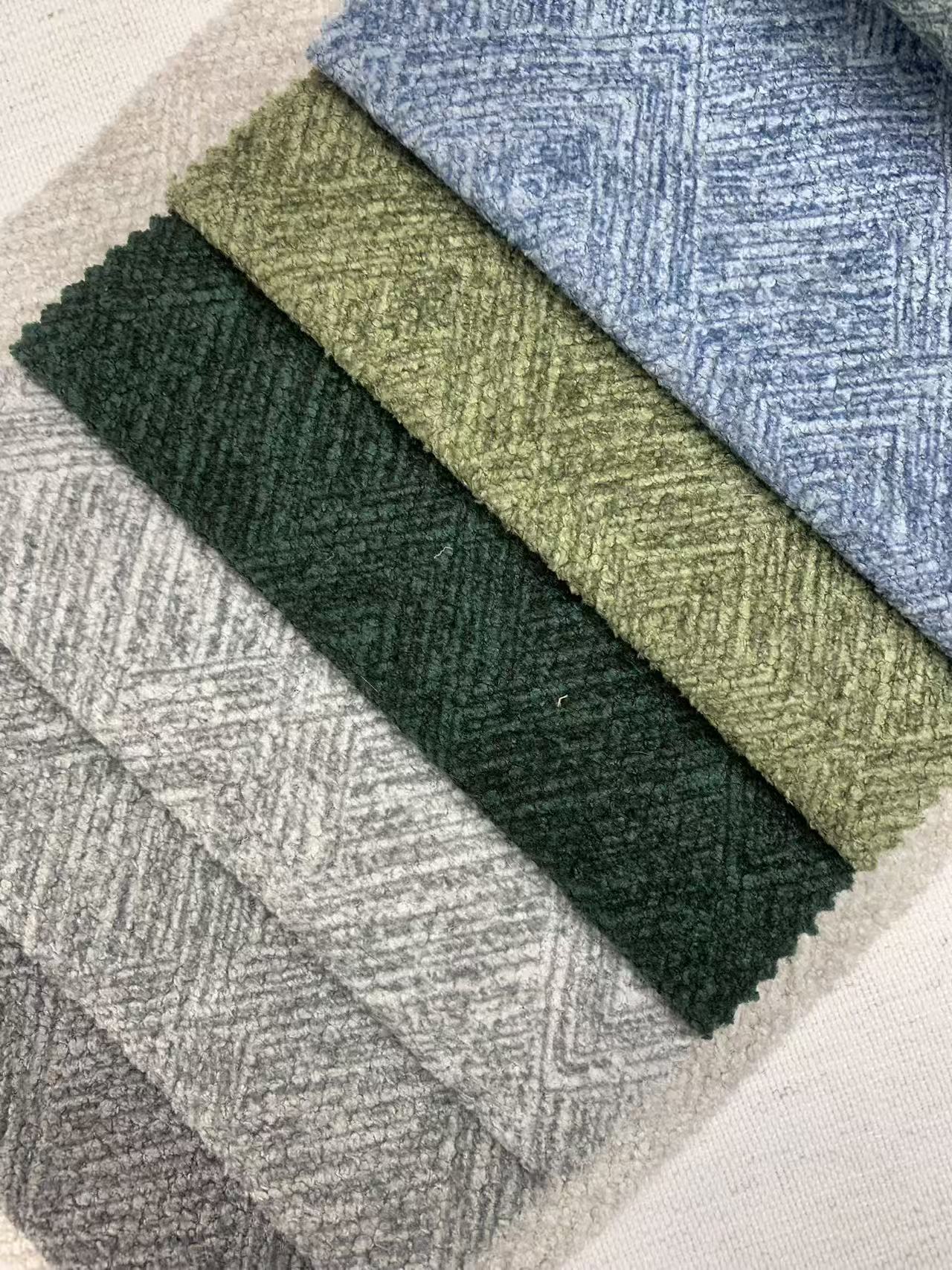
In the social media environment,Users' initial perception of home-related content is no longer functionality, but rather visual impact.Short videos and image feeds determine whether a fabric catches the eye within a few seconds.Therefore, texture characteristics—such as surface structures with pronounced light-and-shadow variations and weaves with a distinct, three-dimensional tactile feel—become key indicators.
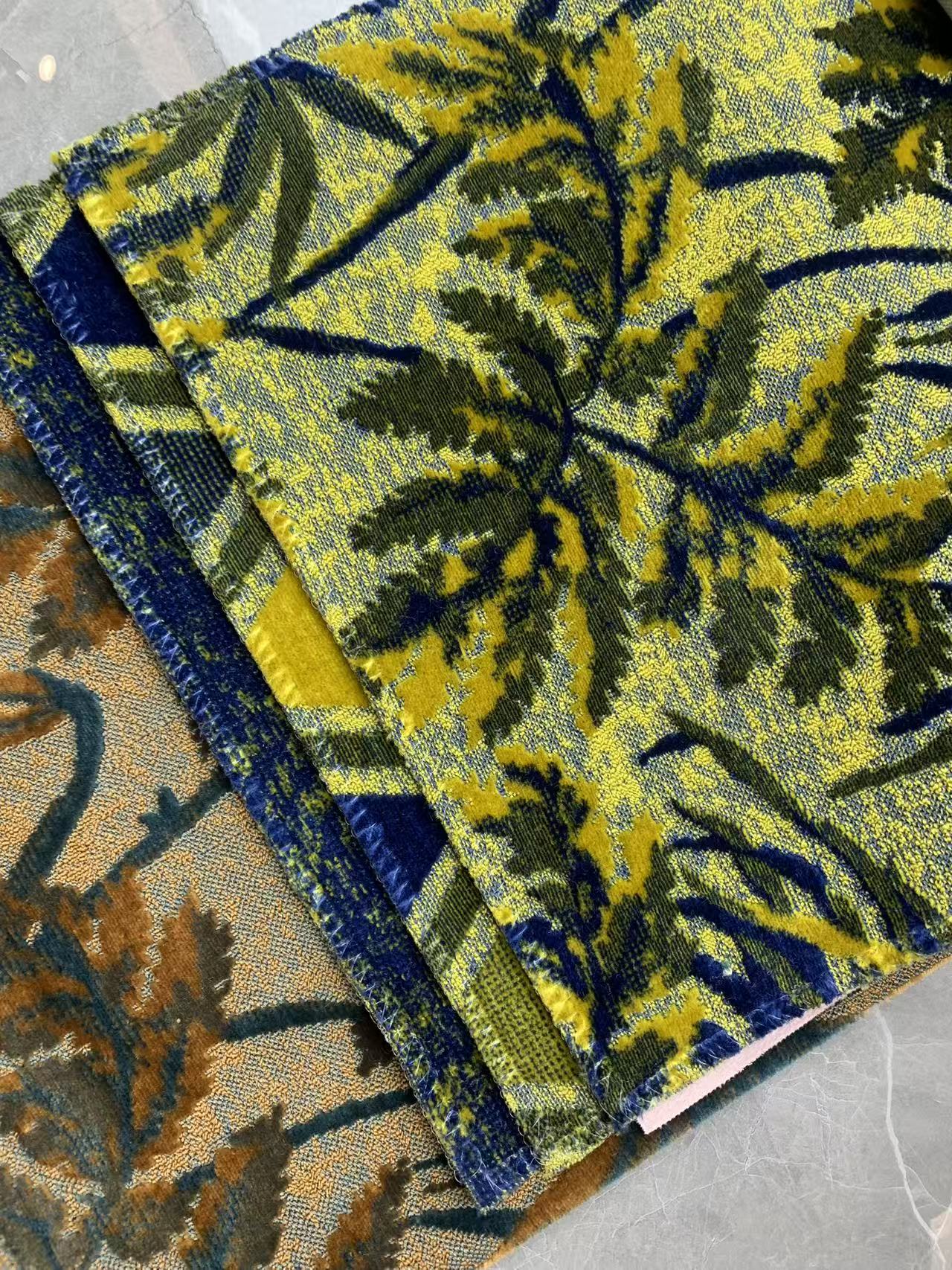
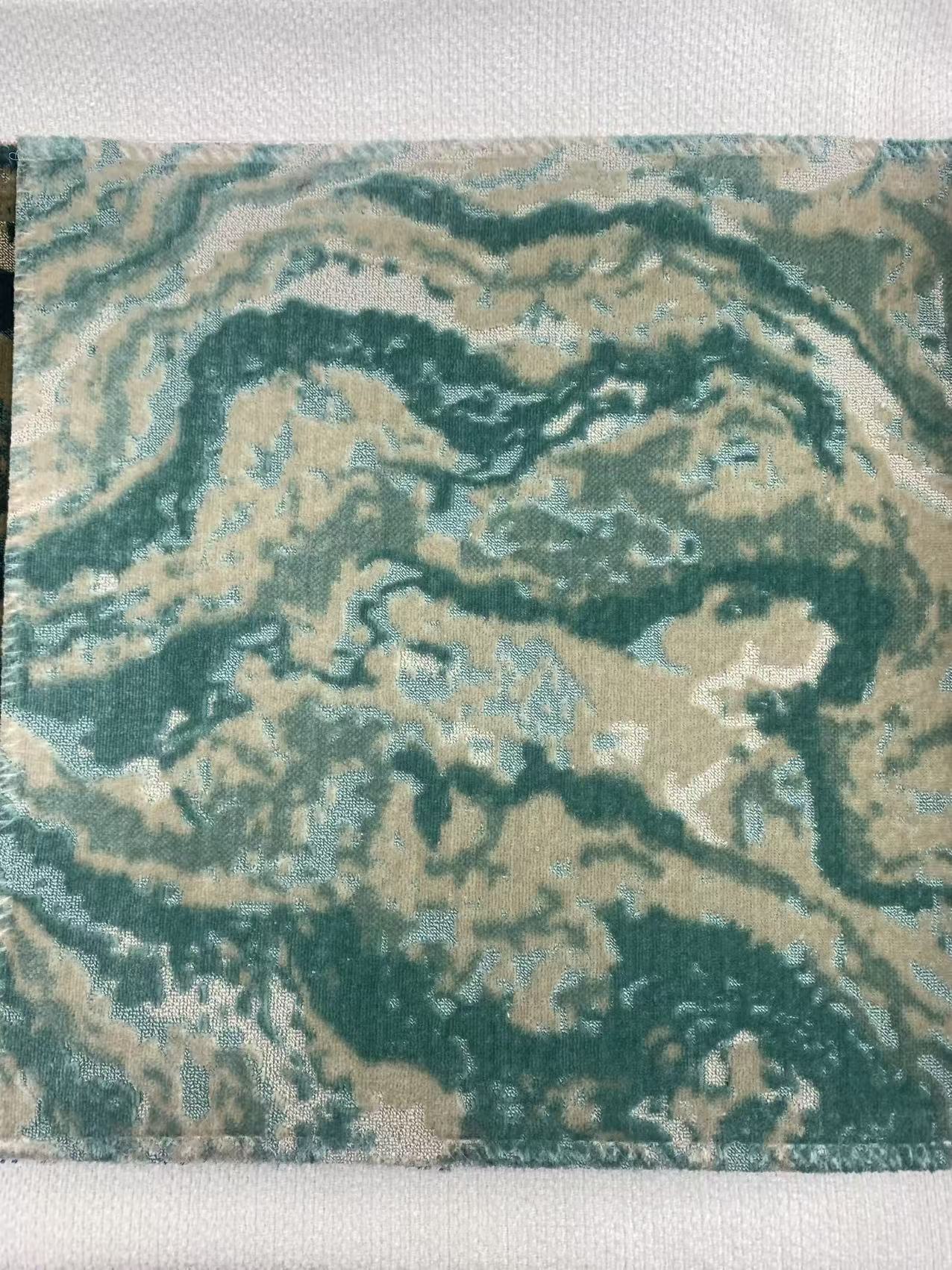
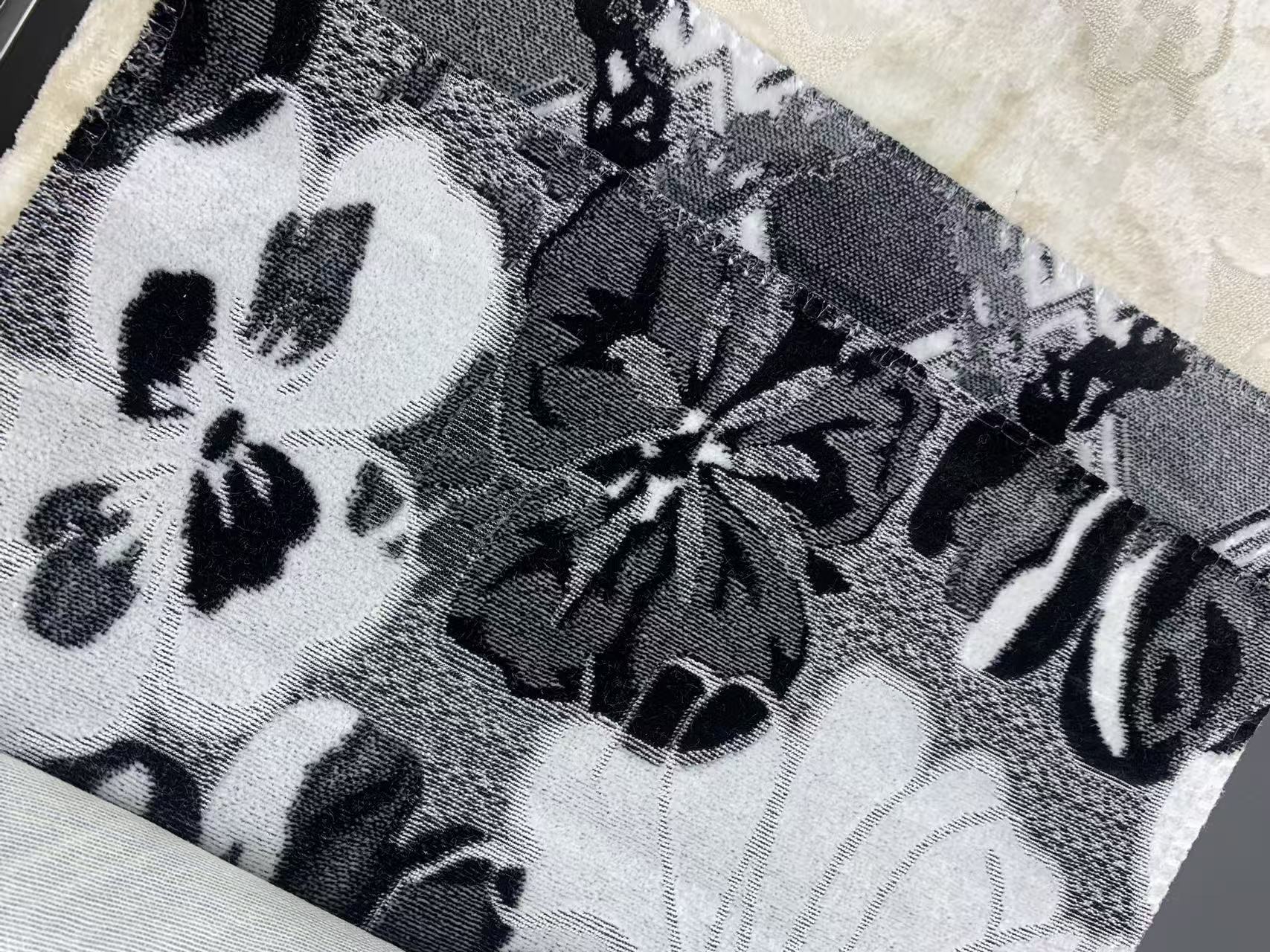
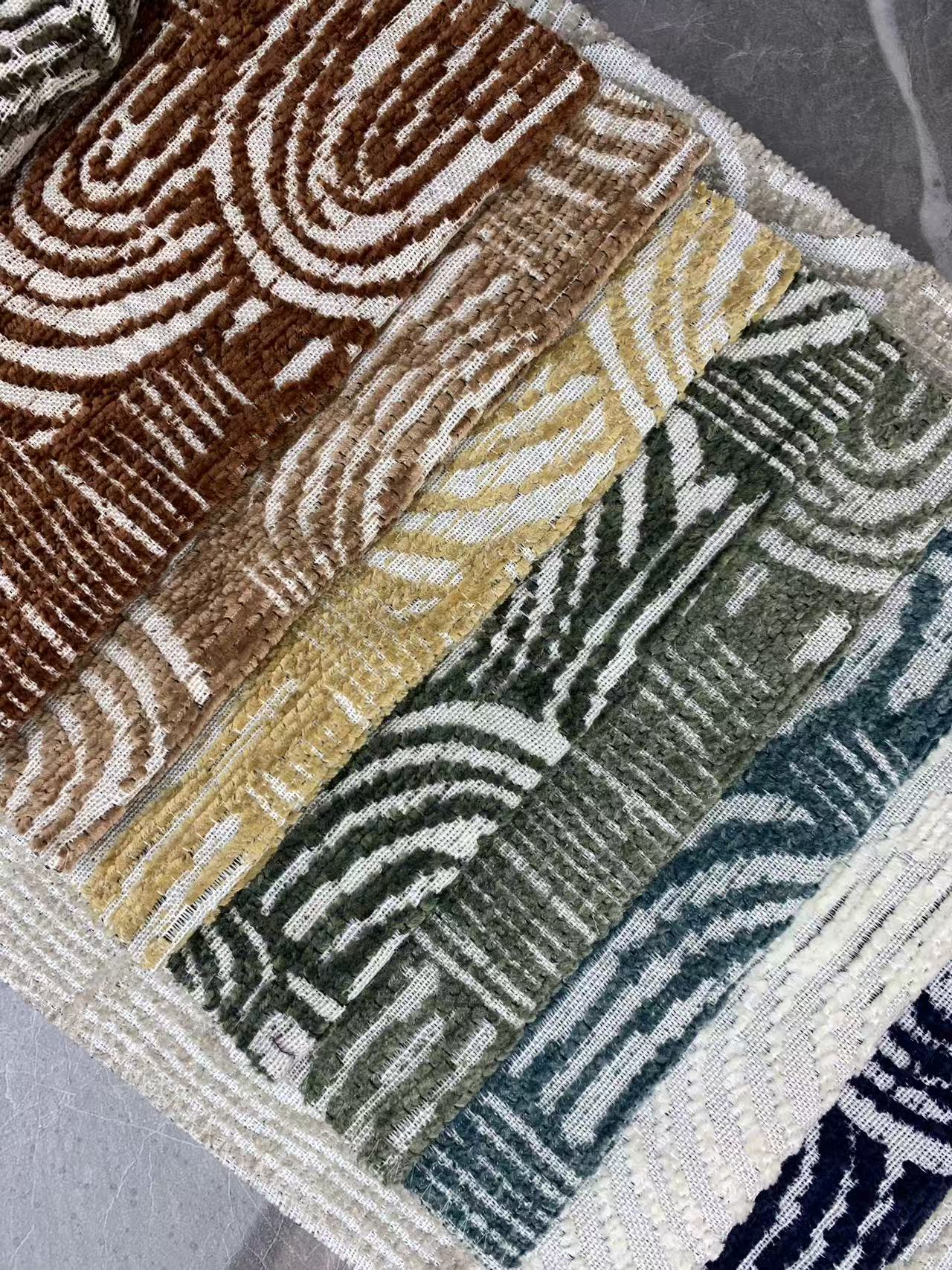
Moreover, materials with a fine-grained texture are more likely to gain an advantage in terms of dissemination.Like the interplay of light and shadow seen in Cut Velvet Fabric as the lighting changes....as well as the fluffy, three-dimensional texture of the chenille fabric, all of which are perfectly suited for "close-up" showcases in short videos.This also compels designers to consider "photogenic appeal" right from the development stage—the product must not only feel good to the touch and be durable but also look great on camera.
II. The colour trend is amplified and reshaped by the algorithm
In the past, colour trends were more released and guided by design institutions or exhibitions, but now the situation has changed, and it is more influenced by the algorithm recommendation mechanism. The "interest recommendation mechanism" of social media will constantly amplify the content that can make users stay longer, so some colours will be strengthened in repeated exposure, slowly forming the so-called "algorithmic popular colour".
Colours such as low-saturation cream white, oatmeal, haze blue, olive green, caramel brown, etc. appear very frequently in the content of home bloggers. After watching more times, they gradually become part of a broader aesthetic consensus. This change is also affecting the development direction of functional fabrics such as technology fabrics, making them more towards a soft matte texture and a neutral colour system with a stronger sense of high-end, instead of the commercial tone that emphasised strong contrast in the past.
III. Lifestyle Content promote Context-based design
The most significant change in social media is that fabrics are no longer centered on the material itself.Rather, it centers on life scenarios.On TikTok and Instagram,Content such as living room makeovers, rental renovations, sofa upgrades, and pet-friendly home design is highly shareable.This content shifts the user's focus to "where I will use it" rather than "what the fabric is."
Therefore, the fabric design is also gradually subdivided according to different lifestyles: Nordic minimalist style focusses on pure colour, light texture and natural soft texture; light luxury style focusses on slight gloss, exquisite jacquard and high-density weaving technology; industrial style prefers rough texture and washed old texture; fabrics specially designed for pet families focus on Practical performance of anti-scratch, anti-fouling and easy-to-care. This development trend makes sofa fabric no longer just a simple decorative fabric, but has been upgraded to an expression carrier that interprets the atmosphere of home space.
IV. Real-time User Feedback: Accelerated Product Iteration
One of the major changes brought about by social media is that End users can directly voice their design-related feedback.Previously, the feedback chain ran from consumers to retailers, then to brands, and finally to factories.Not only does it take a long time, but information is also prone to loss along the way.Now Users can leave comments, interact by "liking" posts, and even submit requests for personalized customization directly within the short-video comment sections.
Like a certain cut pile textured fabric that went viral on short videos,Factories soon followed suit by developing similar patterns;The volume of inquiries regarding a particular color scheme has suddenly surged,factory will also expand the color chart right away.Some fabrics have also drawn heavy criticism from users due to the difficulty of cleaning them, prompting companies to fast-track improvements to their stain-resistant coatings.This mechanism of immediate market feedback has transformed the pace of the entire industry, shifting from a model of developing new products on a quarterly basis to an operational approach characterized by rapid, weekly iterations.
Conclusion
Social media is reshaping the fundamental logic of the entire sofa fabric industry.From the sources of design inspiration and color decisions to the pace of product iteration, the industry is entering a new era of "content-driven design."In the future, whoever can master both visual communication and functional innovation will secure a more significant position in the global home furnishings market.