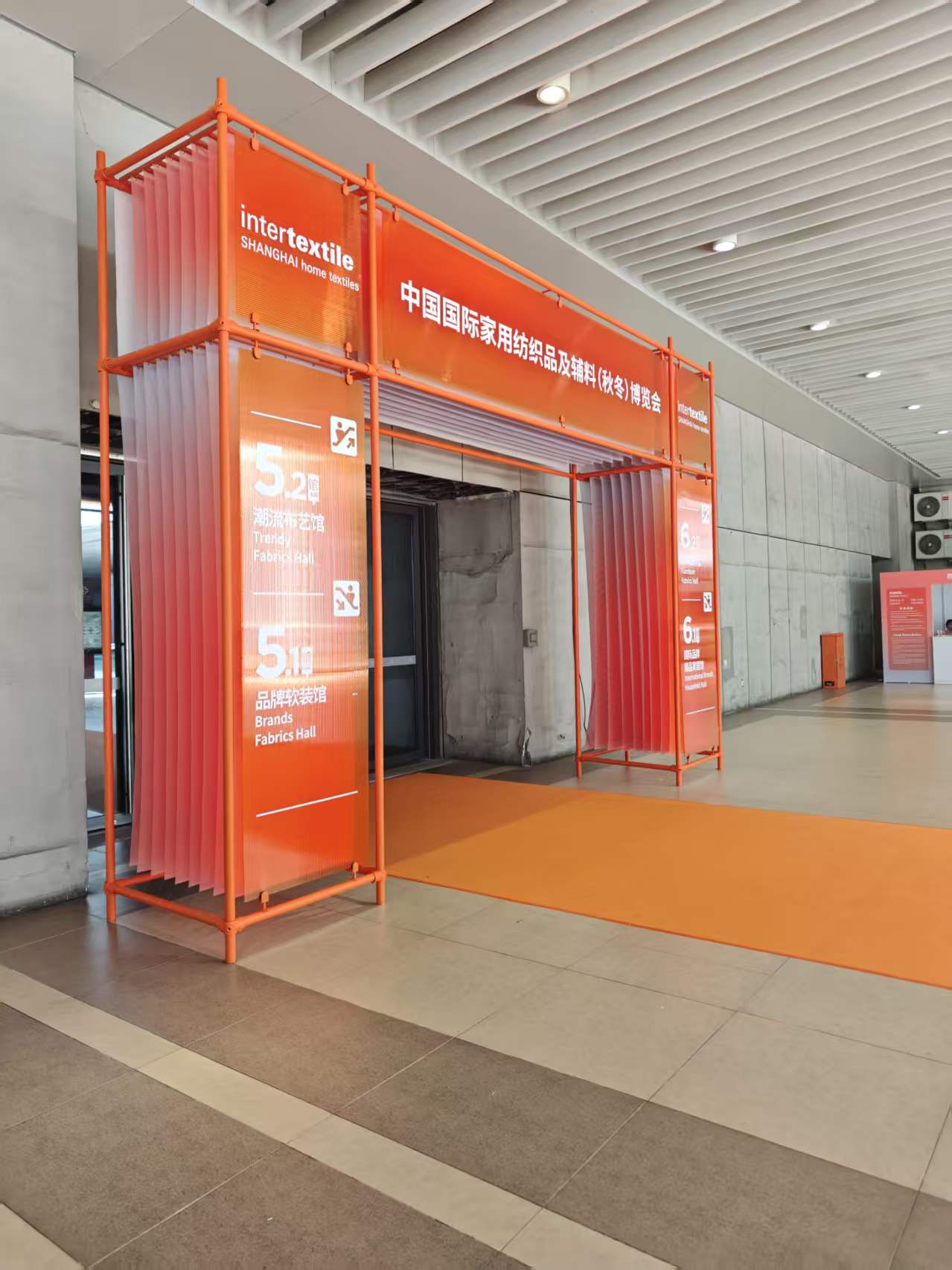
For the sofa fabric industry, the Shanghai Exhibition is not only a platform for product display and procurement communication, but also an important window for observing market changes. From fabric material, texture design, to functional performance and environmental protection concept, the sofa fabric in 2026 is showing a more diversified trend. For furniture brands, sofa manufacturers and overseas buyers, in the face of increasingly abundant fabric products, how to find products that truly meet the needs of the future market has also become a new focus.
I. Comfortable touch has become an important direction of sofa fabric.
With the continuous improvement of modern consumers' requirements for living quality, sofas are no longer just furniture that meets the basic needs of use, but have gradually become an important part of family life. When choosing a sofa, people not only look at the appearance, but also pay more and more attention to the sitting feeling, touch and daily use experience.
Under such demand, soft, delicate and gentle fabrics still have a strong market appeal. Chenille, velvet, imitation hemp and other fabrics are widely used in modern sofas, leisure chairs and various soft furniture because of their rich touch and good visual level.
In particular, fabrics with soft velvet or delicate fabric texture can not only create a warm and comfortable spatial atmosphere visually, but also be more likely to bring a relaxed and natural feeling in actual use, which is in line with the "relaxation" and comfort that modern home furnishings are increasingly emphasising.
In the future, the sofa fabric design will pay more attention to the tactile experience. When consumers see the fabric, they want it to look soft; after really touching it with their hands and sitting on the sofa, they also hope to get a comfortable and natural feeling of use.
II. Three-dimensional texture brings richer visual effects
Judging from the current development of the home textile industry, it is difficult for a single and flat fabric effect to fully meet the market's demand for personalised design.
Three-dimensional and layered sofa fabrics are attracting more and more attention. Striped, plaid, waffled, jacquard, mixed-colour knitting and irregular texture and other designs can form surface effects with their own characteristics through different yarn matching and weaving processes.
An obvious advantage of this kind of fabric is that even if the overall shape of the sofa is relatively simple, it can rely on the fabric itself to increase the visual level of space. For example, the fine horizontal texture can make the sofa look more modern; the rougher fabric texture can enhance the sense of naturalness of the space; mixed-coloured yarn can also make the fabric show richer colour changes under different lights.
Therefore, the competitiveness of sofa fabrics in the future may not only be "how many colours there are", but more importantly, "whether the texture can form its own product characteristics".
III. Natural style still has strong vitality.
In recent years, natural-style home furnishing has always been an important direction in international interior design. From wood and stone to cotton and linen texture, consumers increasingly hope to make the living space more relaxed and comfortable with the help of natural elements.This change also affects the design of the sofa fabric.
Imitation hemp fabrics, natural coarse-spun fabrics, and fabrics with a sense of original texture can be naturally integrated into different home styles such as modern simplicity, Nordic, Japanese, modern countryside, etc.
Compared with overly complex patterns, natural textures are usually easier to match with different furniture shapes and spatial environments. Beige, cream, light gray, brown, khaki and other natural colours can also form a harmonious overall effect with wooden furniture, warm lights and simple space.
This also means that the future sofa fabric does not simply pursue "looks natural", but should further create a natural and comfortable living atmosphere through the combination of materials, colours and textures.
IV. Functionality is becoming an important standard for procurement.
If in the past, consumers first paid attention to colour and price when choosing sofa fabrics, now functionality has become an increasingly important purchasing indicator.
The lifestyle of modern families is more diverse, and the sofa may also play the functions of rest, office, entertainment and family socialising. At the same time, children and pet families also put forward higher requirements for the wear resistance, easy cleaning and durability of the fabric.
Therefore, functional sofa fabrics with wear-resistant, anti-pilling, easy to clean, anti-fouling and other characteristics will have a wider range of application space.
For overseas buyers, fabrics should not only meet the design needs, but also consider the stability during long-term use. Especially in mass furniture production, the quality stability, colour consistency and supply capacity of the fabric will also affect the market competitiveness of the final product.
In the future, "aesthetic + comfortable + durable" will become an important combination in the development of sofa fabrics.
V. The concept of environmental protection continues to affect fabric research and development
Environmental protection has become the development direction that the global home furnishing industry cannot ignore.
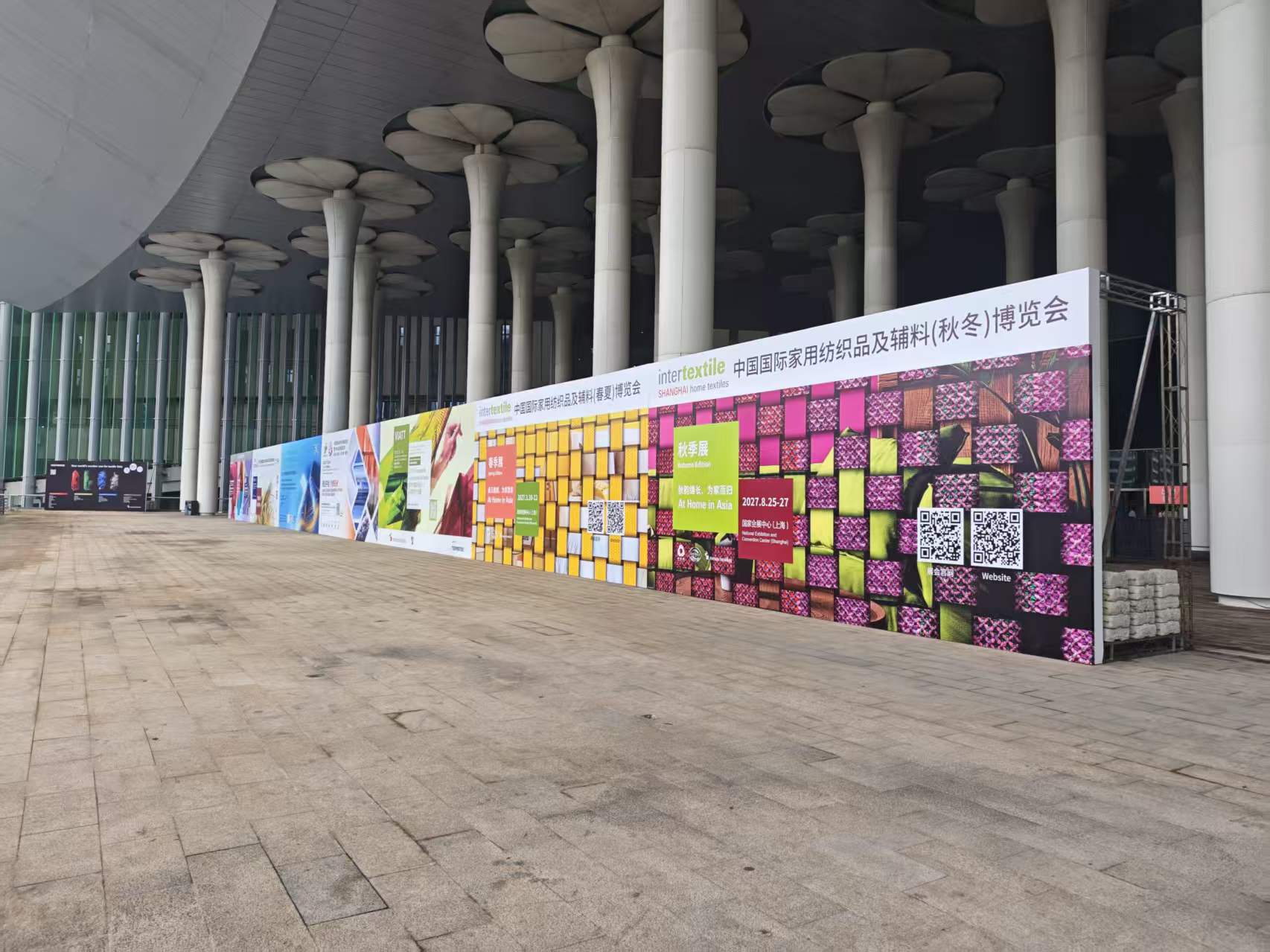
The 2026 Intertextile Shanghai Autumn and Winter Home Textile Exhibition not only displays furniture fabrics, but also focusses on the research and development of environmentally friendly fabrics and innovative products, reflecting that the home textile industry is paying more attention to the relationship between materials and sustainable development.
For sofa fabric, environmental protection not only means the use of a special fibre, but also includes the selection of raw materials, production technology, product durability and the comprehensive performance of the entire supply chain.
For furniture enterprises, a upholstery fabric with a longer service life and more stable quality can also reduce the resource consumption caused by frequent furniture replacement.
Therefore, the environmental protection competition of sofa fabrics will be more comprehensive in the future, gradually extending from material innovation to production, supply and product life cycle.
VI. Personalised design promotes fabric differentiation
Nowadays, the furniture market is developing from "popular products" to more subdivided consumer demand. Different countries, regions and different consumer groups have different needs for the colour, texture and style of sofas.
This also makes fabric customisation an important direction in the sofa supply chain.
The same fabric can form a completely different visual effect through different colours, yarn combinations, textures and post-processing processes. For furniture brands, sofa fabrics with unique textures and colour schemes can help products establish a more distinctive market recognition.
Especially in overseas markets, furniture brands increasingly hope to reflect the product style through fabrics, instead of simply relying on sofa modelling for differentiated competition.
This also means that fabric suppliers need to have stronger product development and customisation capabilities in the future.