

This design iteration trend has fully affected the global home fabric market. The popularity of chenille, plush, imitation hemp, blended and all kinds of three-dimensional texture decorative fabric continues to rise. The focus of industry design gradually focusses on the integration and upgrading of natural texture, multi-dimensional touch experience and comprehensive practical performance, providing more versatile and more suitable soft material selection options for modern quality home furnishings.
I. Minimalist style is still popular, but it no longer means "monotonous"
In recent years, modern minimalist, Nordic style, cream style and modern light luxury and other home styles have continued to attract market attention. The simple sofa outline, low-saturation colours and clean design are still the choice of many consumers.
However, with the development of minimalist style, new demands began to emerge in the market.
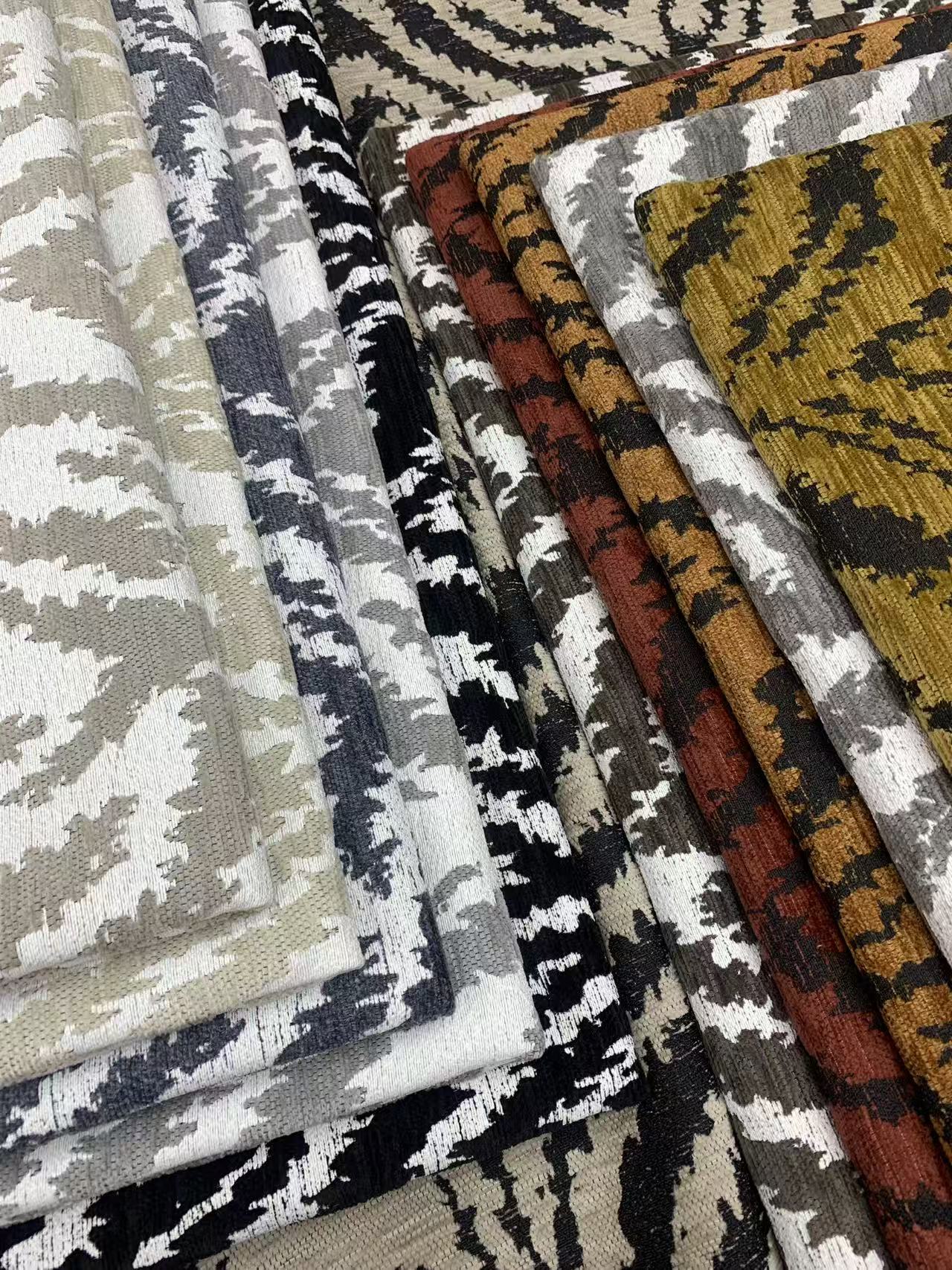
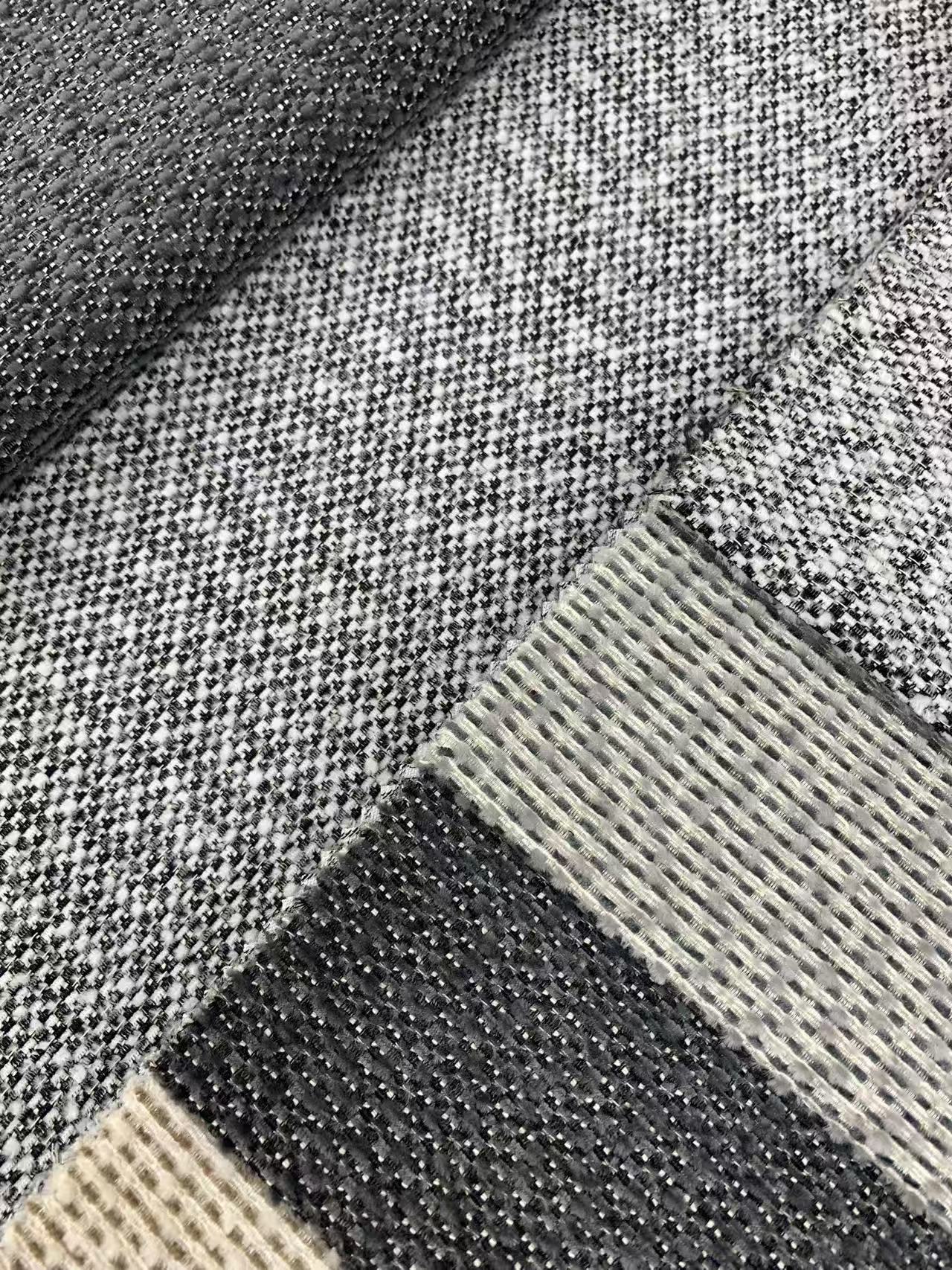
If the sofa only has a simple plane and a single colour, it is easy to make the space seem to lack change. Therefore, more and more designers begin to use the texture of the fabric itself to add layers. For example, fine horizontal texture, checkered texture, waffered structure, irregular texture and mixed colour effect can improve the visual richness without changing the overall shape of the sofa.
This means that "minimalism" in 2026 is not to reduce all details, but to reduce unnecessary decorations while retaining valuable details.
A sofa with a simple design, with a sand release fabric with a natural texture, can present a low-key but not monotonous effect, which is also more in line with the dual needs of modern housing for comfort and personality.
II. Textured fabric has become an important direction for sand release design.
In the furniture fabric design in 2026, "sense of texture" is becoming an increasingly important keyword.
Compared with traditional plain fabrics, textured sand release can produce richer visual effects through yarn thickness, weaving method, surface structure and colour matching.
For example, chenille fabric with obvious graininess can make the sofa present a soft and full visual effect; fabric with horizontal texture can enhance the sense of line of the sofa; three-dimensional structures such as checkered and waffed can add a more obvious sense of design to simple furniture.
The irregular texture is also worthy of attention. Compared with completely regular patterns, natural and asymmetrical textures are easier to create a relaxed and casual spatial atmosphere. For consumers who pursue a sense of naturalness and personalisation, this kind of fabric can prevent the furniture from looking too industrialised or templated.
Therefore, the future sand release design may pay more and more attention to the effect of "looking simple, looking closely with details".
III. Chenille and velvet still have a strong market appeal.
Among many sand release materials, chenille and velvet are still important categories in the furniture industry.
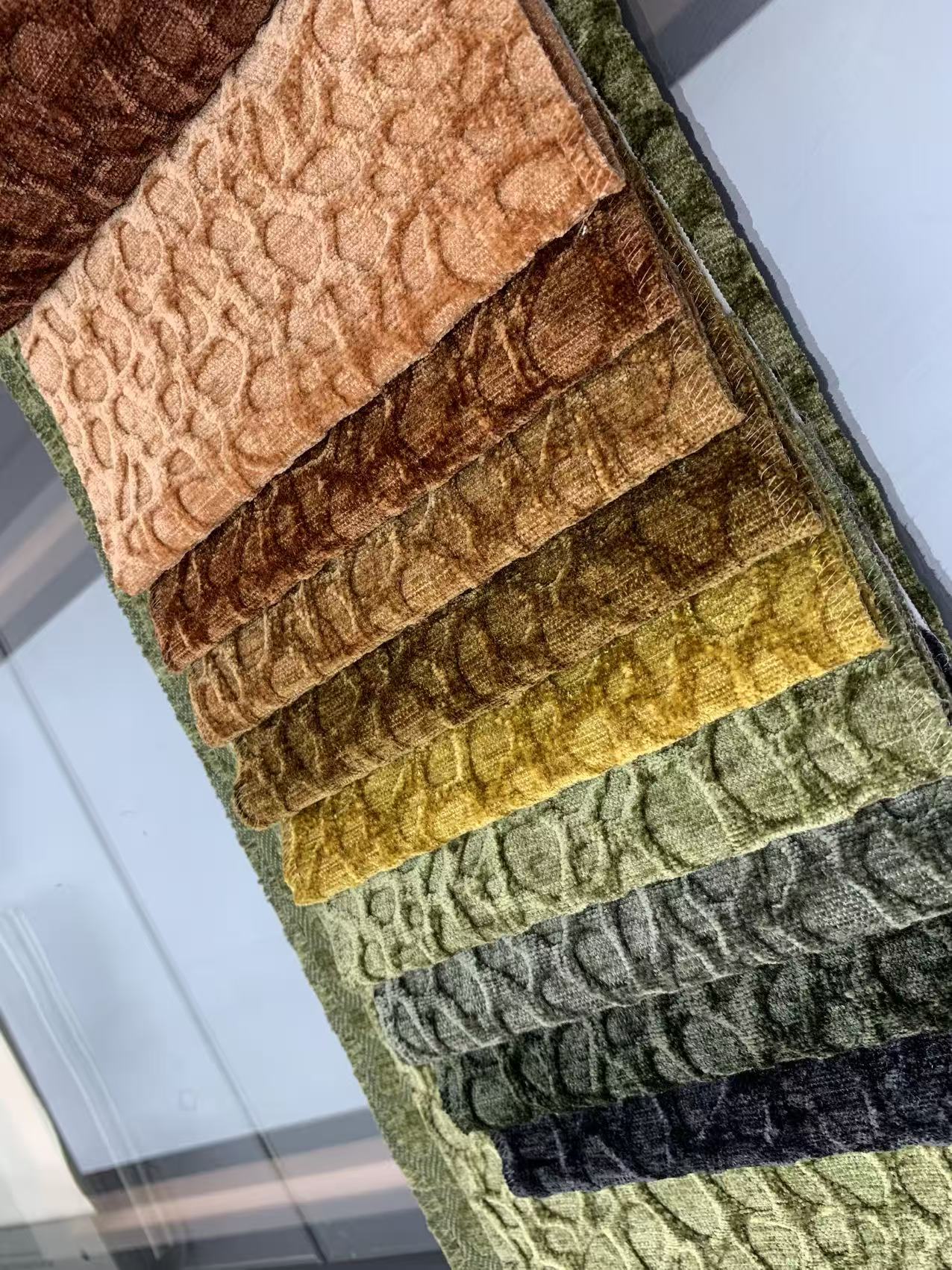
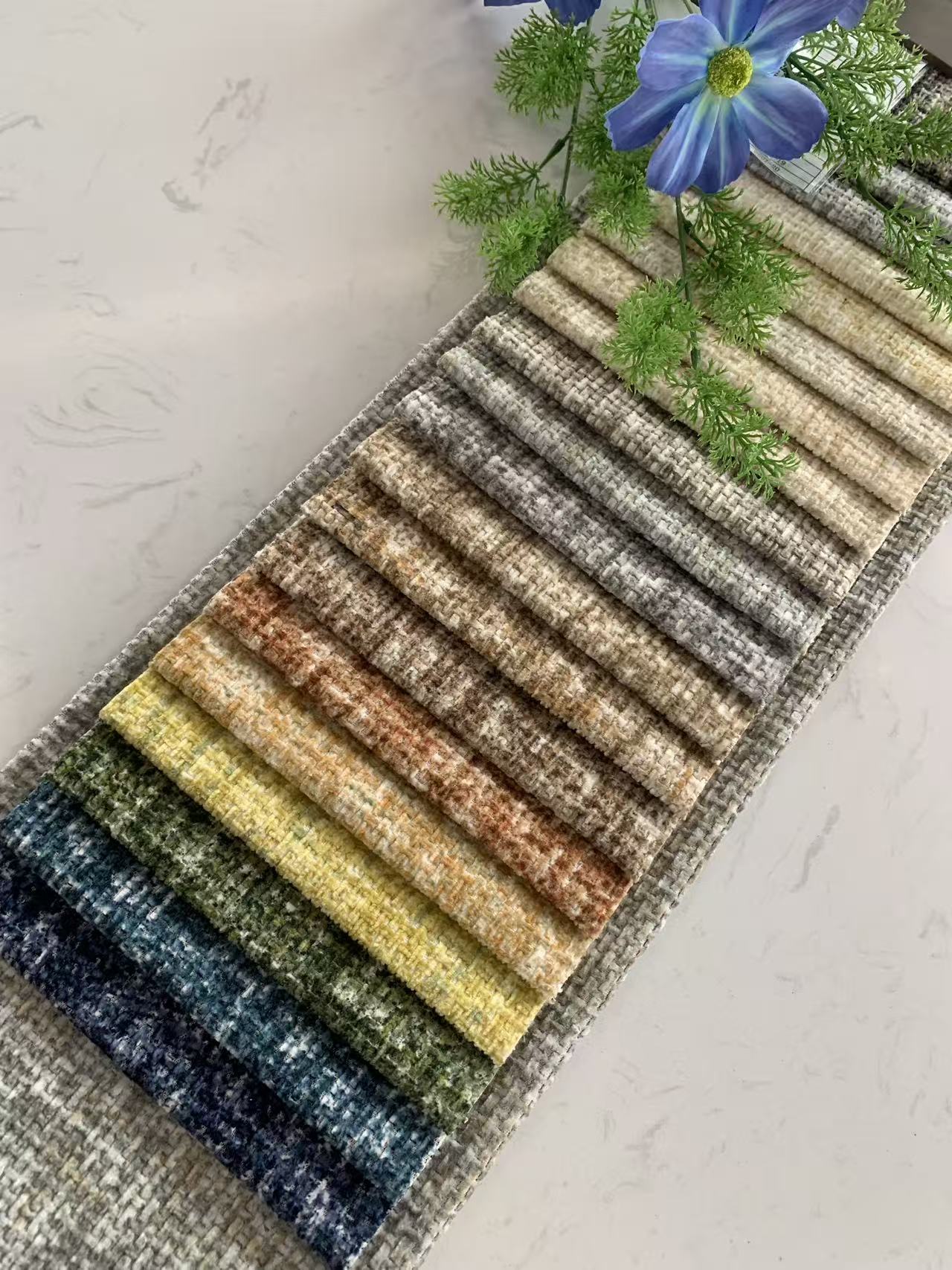
Chenille upholstery fabric has a soft and plump touch, and can form rich surface effects through different yarn combinations and weaving processes. Therefore, it can be used not only for modern and simple sofas, but also combined with light luxury, retro and modern casual styles.
In particular, the chenille fabric with mixed colours, stripes, plaid and special textures can add a visual layer to the sofa while maintaining a comfortable touch.
Velvet is better at expressing the delicate, soft and high-end spatial atmosphere. In the past, velvet was more associated with luxury style, but now, with the continuous enrichment of colour and technology, velvet has also begun to enter a more everyday modern home space.
IV. Natural fabric meets the needs of consumers for comfortable space
In addition to chenille and velvet, imitation linen, hemp fabric and natural texture fabric have also become important directions in modern sand release design.
Modern consumers pay more and more attention to the comfort of living space. Compared with fabrics that are too smooth and highly reflective, fabrics with natural textures and soft visual effects are easier to create a relaxing and warm home atmosphere.
Imitation hemp fabric is a typical representative.
It simulates the natural texture of natural linen through yarn and weaving technology, while having more flexibility in colour, stability and bulk supply. Therefore, whether it is residential sofas, lounge chairs, hotels, homestays and commercial spaces, you can see similar styles of furniture fabrics.
For furniture designers, natural fabrics can be matched with wood, stone, rattan and other natural elements to make the whole space form a more unified visual language.
V. From "good-looking" to "easy to use", functionality is becoming more and more important.
The design trend released by Sha is not just a visual change.
With the continuous change of family lifestyle, consumers have also put forward higher requirements for the actual use performance of furniture fabrics. Especially for home sofas, in addition to being soft and comfortable, the characteristics of wear-resistant, easy to clean, anti-fouling, anti-balling and convenient daily maintenance have attracted more and more attention.
This also promotes the gradual development of the sand release industry from simple decorative fabrics to the direction of "beauty + function".
For furniture factories and overseas buyers, an excellent sand release not only needs to have an appearance that attracts consumers, but also needs to adapt to long-term use scenarios.
Therefore, in the future, fabric development will pay more attention to comprehensive performance. For example, improve the wear resistance of the fabric while maintaining soft touch and rich texture; make the fabric easier for daily cleaning under the condition of ensuring colour and appearance.